À pied, à vélo ou en voiture, passez par les parcs, lieux à visiter et bonnes adresses les mieux notés. Gratuit, sans inscription.
Dites où vous allez et choisissez parcs, visites ou bonnes adresses. Vous obtenez un itinéraire à pied, à vélo ou en voiture qui passe par les lieux les mieux notés sur le chemin, avec la météo de votre trajet, prêt à ouvrir dans Google Maps. Gratuit, sans inscription.
Vous êtes hors ligne. Vos itinéraires enregistrés et les guides de voyage restent disponibles ; le planificateur reprendra dès le retour de la connexion.
Synchronisez vos itinéraires sur tous vos appareils
Connectez-vous avec Google pour sauvegarder vos itinéraires, trajets récents et préférences.
G
Synced
Enregistrés
0
Récents
0
Effectués
0
Explorés
0 km
Itinéraires enregistrés
Aucun itinéraire enregistré pour l'instant. Planifiez un trajet et touchez Enregistrer.
Trajets récents
Les trajets que vous planifiez apparaîtront ici. Touchez-en un pour le relancer.
Guides et itinéraires enregistrés
Touchez Enregistrer le guide ou Enregistrer l'itinéraire sur n'importe quel guide de voyage ou itinéraire tout prêt pour le conserver dans votre bibliothèque personnelle.
Parcours effectués et terminés
Privacy & data portability
Your routes and bookmarks stay on your device unless you sign in to sync.
Download a portable JSON backup of your saved routes, recent history and bookmarks anytime, or clear all local data on this browser.
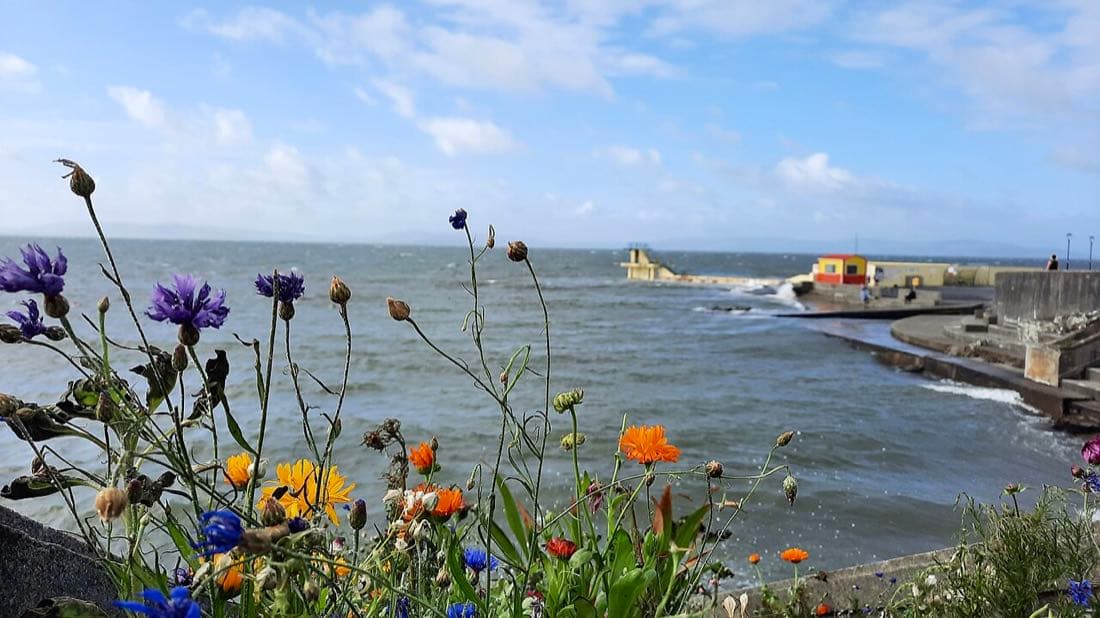
L’ouest de l’Irlande offre des paysages grandioses pour marcher avec ses chiens, entre tourbières, forêts et plages sauvages, à condition de respecter les troupeaux et les règles de laisse.
Carte compagnon · Lieux de ce guide
Explorez les lieux de ce récit
Sélectionnez un lieu du récit pour l'observer sur la carte compagnon ou l'inclure dans une balade.
Under the Control of Dogs Act, a dog in a public place must be with someone who can keep it under effective control. Every dog needs a licence from the local authority, and must be microchipped and wear a collar showing the owner's name and address. Certain breeds must also be on a short lead and muzzled in public places. Check the rules for your dogs before you travel, especially if you're visiting from abroad.
"Effective control" is the phrase you'll see on signs. Coillte, which runs most public forests, puts it simply: if your dog won't come back the moment you call it, it should be on a lead.
There's no right to roam
Most of the Irish countryside is privately owned, and there is no general right to walk wherever you like. Stick to waymarked trails, national parks, public forests, beaches and paths you know are open. Some trails that cross farmland don't allow dogs at all, so read the sign at the trailhead before you set off. Sport Ireland Outdoors lists waymarked trails across the country.
Practical tip: in both Connemara National Park and Burren National Park, dogs are welcome but must be on a lead at all times.
Sheep, cattle and lambing season
Sheep graze unfenced hillsides across Connemara and Mayo, and in the Burren cattle are moved up onto the hills for the winter. A dog chasing sheep can kill them even without biting, through stress and injury, and in spring it can cause ewes to lose their lambs. Keep dogs on a short lead whenever there may be livestock nearby, and always from late winter to early summer, when lambs are about. Irish law takes this seriously: a farmer has a legal defence for shooting a dog that is worrying livestock, and owners are liable for any damage.
Cattle are different. Cows with calves can be protective of them, and they may approach a dog. Walk calmly around the edge of the field, and if cattle chase you, let go of the lead: your dog will outrun them and so will you.
Walking with more than one dog
Hands-free kit: a waist belt or a lead coupler keeps one hand free for gates, stiles and your camera.
One lead per dog still matters on narrow paths, boardwalks and near roads, where dogs tend to cross over.
Stiles and gates take longer with a pack. Send the dogs through one at a time and close every gate behind you.
Space for everyone: step off the path for other walkers, bikes and horses, and remember that some people are afraid of dogs.
Water, weather and long distances
Don't count on finding fresh water. Limestone areas such as the Burren have very few streams, and dogs shouldn't drink seawater or still bog pools. Carry about half a litre per dog for every couple of hours, plus a collapsible bowl. Build distance up gradually: a dog that copes with an hour around town may be sore after a long day on rock and heather.
The weather changes quickly on the Atlantic coast. Wet, windy days can chill short-coated and older dogs, so a dog coat and a towel in the car are worth having. Warm days are less common, but parked cars still heat up fast, so never leave dogs in the car in the sun.
Ticks
Ticks live in long grass, bracken and heather, and they can carry Lyme disease. Check your dogs (and yourself) after every walk, especially around the ears, the neck, the armpits and between the toes. Ask your vet about tick prevention, and carry a tick remover.
Leave no trace
Bag and bin dog poo, or carry it home if there are no bins, which is often the case in national parks and on the hills. Keep dogs away from nesting birds on beaches and wetlands in spring and early summer, and out of lakes and rivers where signs ask you to.
Calculé sur cet appareil à partir de l'heure, de la météo et de vos itinéraires et lectures récents. Rien n'est envoyé où que ce soit. · · Cela vous a-t-il été utile ? · · AvisMerci de nous l'avoir signalé. · Avis
Vos choix de confidentialité
Nous utilisons des cookies pour les statistiques et pour afficher des publicités. Le stockage nécessaire (vos itinéraires enregistrés et ce choix) est toujours actif. Vous pouvez modifier votre choix à tout moment via Paramètres des cookies en bas de page. Politique de confidentialité
Emportez vos itinéraires partout avec notre application de carte en direct plein écran sur Google Play.
Télécharger Joyride AI sur Google Play
Joyride AI fonctionne directement dans votre navigateur sur iOS et sur le web, ou vous pouvez télécharger l'application Android officielle sur Google Play.
Google Account
Connectez-vous à Joyride AI
Sauvegardez et synchronisez vos itinéraires enregistrés, trajets récents, unités et préférences d'étapes sur tous vos appareils.
Choose a Google account
Joyride AI never posts to your account or shares your email. You can sign out at any time.