Ans Ziel kommen – über die schönsten Zwischenstopps unterwegs.

Zu Fuß, mit dem Rad oder mit dem Auto vorbei an bestbewerteten Parks, Sehenswürdigkeiten und Cafés. Kostenlos, ohne Anmeldung.

Geben Sie Ihr Ziel ein und wählen Sie Parks, Sehenswürdigkeiten oder gutes Essen. Sie erhalten eine Fuß-, Rad- oder Autoroute über die bestbewerteten Orte entlang des Weges – inklusive Wettervorhersage und direkt bereit für Google Maps. Kostenlos, ohne Anmeldung.

Planen Sie Ihre Route

Starten Sie mit einem Tippen oder geben Sie zwei Orte ein.

Gute Zeit

14:00 · 15°C · trocken

oder eigene Route wählen

Welcher Stil soll es sein?
Wie sind Sie unterwegs?
Meine Stopps & Filter
Detour tolerance
Einbezogene Ortstypen
Auf diesem Gerät für Ihre nächsten Routen gespeichert.
  1. Start · Covent Garden
  2. Stopp 1 · Somerset House
  3. Stopp 2 · St Paul's Cathedral
  4. Stopp 3 · The Monument
  5. Ziel · Tower of London

Jeder Stopp ist mit mindestens 4,5★ bewertet – inklusive Regenwahrscheinlichkeit und bester Startzeit. Diese Route ausprobieren →

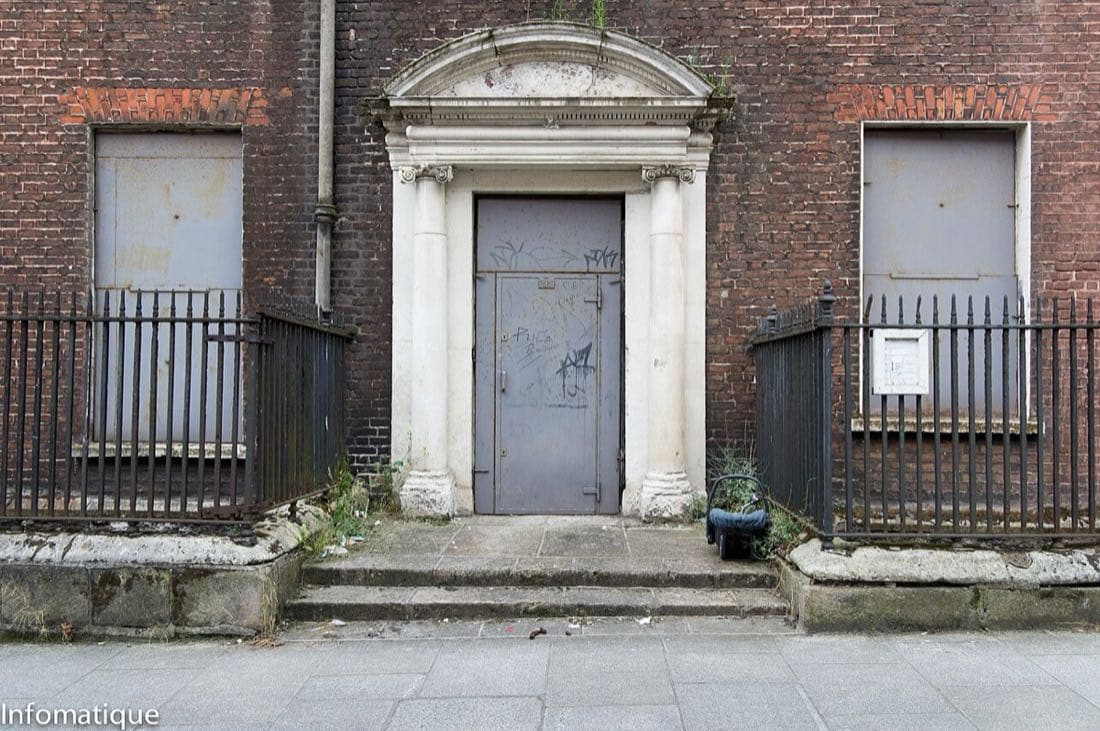
A theme, like doors, turns a walk into a photo series.

Sehenswürdigkeiten Dublin, Irland 2 Min. Lesezeit

How to plan a photo walk in your own city

A theme, like doors, turns a walk into a photo series.Foto: EHRENBERG Kommunikation, CC BY-SA 2.0, via Wikimedia Commons

You don't need to travel to take great travel photos. A photo walk in your own city, with a camera or just your phone, is a brilliant way to notice details you've been walking past for years. Here's how to plan one that gives you better photos and a more interesting walk.

Story-Begleiter · Orte in diesem Guide

Entdecken Sie die Orte in dieser Geschichte

Wählen Sie einen interessanten Ort aus dem Text aus, um ihn auf der Begleitkarte anzusehen oder zu einem Spaziergang hinzuzufügen.

Stopp 1 · Dublin 2 · Architectural detail

Fitzwilliam Square Georgian Doors

Fanlights, brass knockers and colourful doors in soft morning or golden-hour light.

Pick a theme

A theme gives your walk focus and makes your photos feel like a set. Try doors and windows, street signs and old lettering, reflections, bridges, a single colour, shadows, or people at work. Themes also push you to look harder at ordinary streets.

Plan around the light

Light makes or breaks a photo. The hour after sunrise and the hour before sunset, often called golden hour, give warm, soft light and long shadows. Blue hour, just after sunset, is perfect for city lights. Midday light is harsh, but it suits strong shadows and graphic architecture. Check sunrise and sunset times before you go.

Practical tip: walk with the sun behind you for well-lit façades, or towards it for silhouettes and dramatic skies.

Use the Sightseer vibe as a starting point

Landmarks, galleries and historic buildings make great anchors for a photo walk. Plan a Sightseer route between two places, then slow down and explore the streets in between. The best shots often turn up on the way to the landmark rather than at it.

River Liffey and Samuel Beckett Bridge
River Liffey and Samuel Beckett BridgeFoto: Christian David, CC BY-SA 4.0, via Wikimedia Commons

A Dublin photo walk

Dublin's Georgian squares are a classic subject. Merrion Square and Fitzwilliam Square are known for colourful front doors and fanlights, and early mornings bring quiet streets and soft light. The Liffey quays offer reflections and bridges, from the Ha'penny Bridge to the Samuel Beckett Bridge in the Docklands, which looks great at blue hour. Henrietta Street, just off Bolton Street, is full of architectural detail.

Phone photography tips

  • Clean your lens. A quick wipe makes a big difference.
  • Tap to focus and adjust exposure, especially in bright or dark scenes.
  • Turn on the grid to keep horizons and buildings straight.
  • Get closer instead of zooming digitally.
  • Shoot a few versions of each scene from different angles.
Éire sculpture Dublin
Éire sculpture DublinFoto: Osioni, CC BY-SA 3.0, via Wikimedia Commons

Pack light

Carry as little as possible: a phone or one camera with one lens, a spare battery or power bank, and a lens cloth. Fewer choices mean more time looking and less time fiddling with settings. A small bag you can reach into easily beats a big backpack you have to take off for every shot.

Be respectful

Photography in public places is legal in many countries, but courtesy matters. Ask before taking close-up photos of people, especially children, and respect requests not to be photographed. Don't block pavements or doorways while you shoot, and take care near traffic.

Dublin colorful doors
Dublin colorful doorsFoto: Leandro Neumann Ciuffo, CC BY 2.0, via Wikimedia Commons

Slow down

Photo walks are slower than normal walks, so plan a shorter route, perhaps 2–3 km for an hour or two. Stop often, look up, look back the way you came, and wait for the right moment, like a cyclist passing through the frame.

Review and share

Afterwards, pick your five to ten favourite photos rather than sharing everything, and note what worked: the light, the angle, the subject. If you share on social media, tag us on Instagram so we can see where Joyride took you.

Dublin through the year

In Oct, golden hour starts around 17:44 and the sun sets around 18:32 in Dublin.

16:0018:0020:0022:00JanFebMarAprMayJunJulAugSepOctNovDec

SunsetGolden hour starts

Show the numbers
MonthGolden hourSunsetDaylight
Jan15:3216:348 h
Feb16:4217:339.8 h
Mar17:4118:2711.7 h
Apr19:3620:2313.9 h
May20:2421:1615.8 h
Jun20:5621:5417 h
Jul20:5221:4716.5 h
Aug20:0720:5614.9 h
Sep18:5819:4412.8 h
Oct17:4418:3210.7 h
Nov15:3416:318.7 h
Dec15:0016:077.6 h
Averages for 2015–2024 from Open-Meteo historical weather (CC BY 4.0); sun times calculated for the 15th of each month, local time.